Vintage Christmas Clipart: A Designer's Stitch-Test Review
When I first opened the Vintage Christmas Clipart file, my immediate reaction wasn't about stitch counts or file formats. It was about the mood. There is a specific nostalgia in vintage aesthetics that cuts through the noise of modern digital clutter. As an experienced designer who has spent years refining embroidery projects for clients and small businesses, I look for designs that tell a story before they even touch the needle. This collection feels like a warm cup of cocoa on a snowy porch, evoking a sense of tradition and handcrafted charm that is currently missing from many mass-produced holiday items.
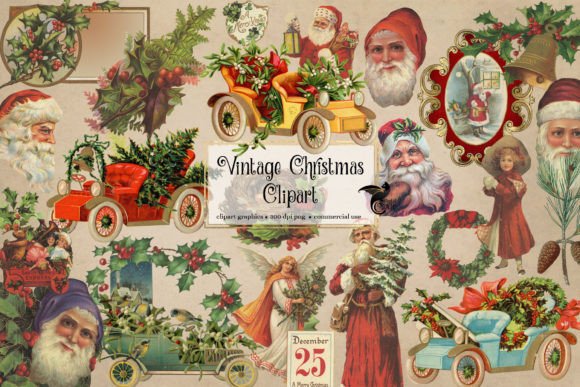
The visual personality of this set is distinct. Unlike the hyper-realistic 3D renders that often look stiff when stitched, these illustrations lean into a softer, slightly distressed aesthetic. The lines are not perfectly sharp; they have a bit of character that translates beautifully to thread. For an embroidery project, this is crucial because thread cannot replicate the pixel-perfect edges of a vector image. Instead, it captures the spirit of the shape. Whether you are looking at a classic wreath, a retro ornament, or a nostalgic Santa figure, the layout suggests a design that belongs in a homey setting rather than a high-fashion runway.
From Screen to Stitches: Real-World Application
Let's talk about how this actually looks when it comes to life on fabric. I recently had a scenario where a client needed custom embroidered tote bags for a local holiday market. They wanted something that felt artisanal but wouldn't cost a fortune to produce. We tested the Vintage Christmas Clipart on a sturdy canvas tote. The result was striking. The slightly softer edges of the vintage style meant that the satin stitches didn't pull the fabric as much as a tight, modern geometric design might have.
This design excels on textured fabrics. When you stitch onto a thick cotton blend for a sweatshirt or a linen apron, the vintage lines catch the light in a way that adds depth. Imagine a baby onesie with one of these motifs stitched near the hem. The softness of the illustration pairs perfectly with the gentle feel of baby clothing, creating a personalized gift that feels heirloom-quality. It isn't just a logo; it is a decorative accent that invites touch.
For those running a craft business or selling on Etsy, this is a goldmine for product differentiation. Most holiday merchandise relies on bright reds, greens, and glittery effects. A vintage palette allows your small shop product to stand out by offering a more sophisticated, timeless look. Customers are increasingly seeking unique items that don't look like they were churned out by a factory. Using these design assets allows you to create commercial embroidery pieces that command a higher price point because they signal quality and attention to detail.
Where to Exercise Caution
However, every designer knows that what looks good on a screen doesn't always survive the hoop. While Vintage Christmas Clipart is versatile, there are specific situations where you need to be careful. If you are working with a very small hoop size, such as one intended for a hat cuff or a delicate patch, you must scrutinize the fine details. Vintage styles often include intricate linework that can get lost if the stitch density is too low or the hoop area is too cramped.
Stretchy fabrics present another challenge. Embroidery on stretchy knit materials requires a stabilizer strategy that prevents puckering. If the stitch density in the vintage clipart is too high, the tension might distort the fabric, ruining the relaxed vibe of the design. Similarly, on dark fabrics, the contrast is key. You will likely need to use a heavier underlay or a specific thread color to ensure the vintage details pop against a black or navy background. Without proper testing, the design could appear muddy or flat.
Curved surfaces like caps require a different approach entirely. The distortion inherent in stitching on a curved brim can alter the proportions of a complex illustration. If the clipart features tiny lettering or very fine corners, these elements might blur together on a cap. In these cases, it is often better to scale the design down or simplify the details. For products that need frequent washing, like kitchen towels or work aprons, dense fill stitches in the vintage pattern should be checked for durability. Loose threads can snag, so ensuring the machine settings are optimized for longevity is essential.
Visual Appeal and Customer Trust
The impact of a well-executed design goes beyond aesthetics; it builds trust. When a customer receives a handmade product with clean, intentional stitching, they perceive value. The Vintage Christmas Clipart set, when applied correctly, elevates the perceived quality of the finished item. It signals that the maker cares about the nuance of the craft. This is particularly important for holiday gifts and wedding gifts where sentimentality plays a huge role. A buyer is more likely to choose a pillow cover featuring a charming, vintage-style motif over a generic, overly busy pattern.
In terms of branding, consistency matters. If you are building a brand around rustic, cozy, or traditional themes, this illustration style aligns perfectly. It creates a cohesive look across your printable mockups and actual physical products. However, if your brand identity is ultra-modern or minimalist, this vintage style might feel out of place. Always consider the narrative you want your finished product to tell. Does it whisper tradition? Then this is the right choice. Does it scream futuristic innovation? Then you might need to look elsewhere.
Practical Notes for the Designer
Before you commit to a full production run, follow these practical steps to ensure success. First, test the design on scrap fabric that matches the weight and texture of your final material. This reveals how the thread colors interact with the fabric grain and whether the stabilizer holds up under tension. Check the hoop size requirements carefully; if the design is large, you may need to split it into sections or use a larger frame.
Review the stitch density visually. Are there areas where the satin stitch might crowd out the surrounding running stitch? Sometimes, adjusting the density slightly in your digitizing software can make a massive difference in the final look. Also, inspect small details in a monochrome view. If the design relies on subtle color shifts that won't translate well to thread, you may need to adjust the color palette or simplify the shapes.
Don't forget to check the licensing terms explicitly. While many designers offer files for personal use, selling custom apparel or embroidered patches commercially often requires a specific license. Confirm whether you are allowed to sell the finished items or if the file itself can be distributed. Ignoring this step can lead to legal issues down the line.
Finally, compare light and dark fabric backgrounds during your mockup phase. A vintage design often relies on a specific contrast ratio to maintain its character. What works on a cream tea towel might disappear on a charcoal gray hoodie. By taking the time to validate these variables, you ensure that your embroidery file delivers the professional results your customers expect. The Vintage Christmas Clipart offers a wonderful foundation for creative work, but the magic happens in the execution. Treat it with care, respect the limitations of the medium, and you will create something truly special.